


January’s heavy snowstorms hit Connecticut hard—especially across Southern CT and the shoreline.
From Fairfield County to New Haven County and coastal communities along Long Island Sound, multiple rounds of wet, heavy snow and strong winds placed extreme stress on residential and commercial fencing.
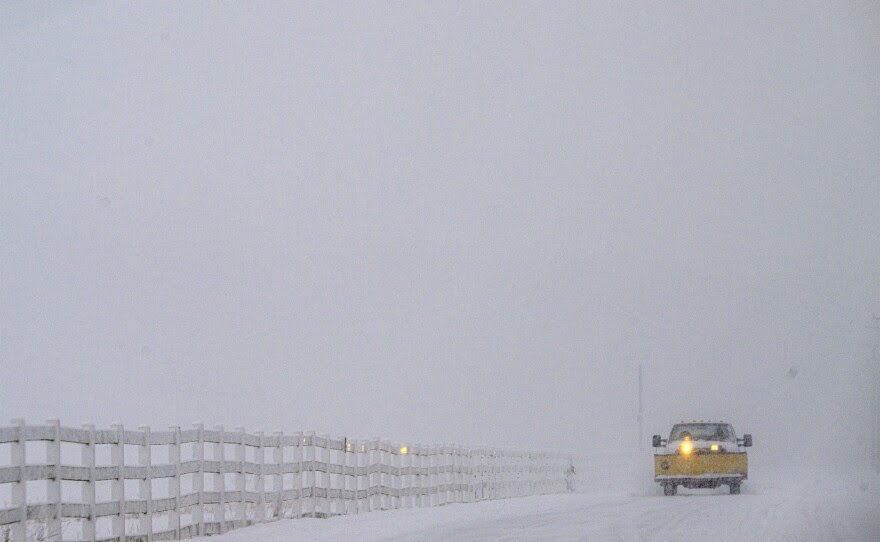
For many property owners, the damage wasn’t obvious until the snow melted.
- Leaning fence panels.
- Broken posts.
- Collapsed gates.
- Sections pulled loose by snowdrifts or ice buildup.
These issues aren’t just cosmetic—they create real safety and security risks that shouldn’t be ignored.
 How January’s Snowstorms Damaged Fences Across Southern & Coastal CT
Unlike light powder snow, January’s storms dumped dense, water-logged snow that clung to fence panels and drifted unevenly along property lines.
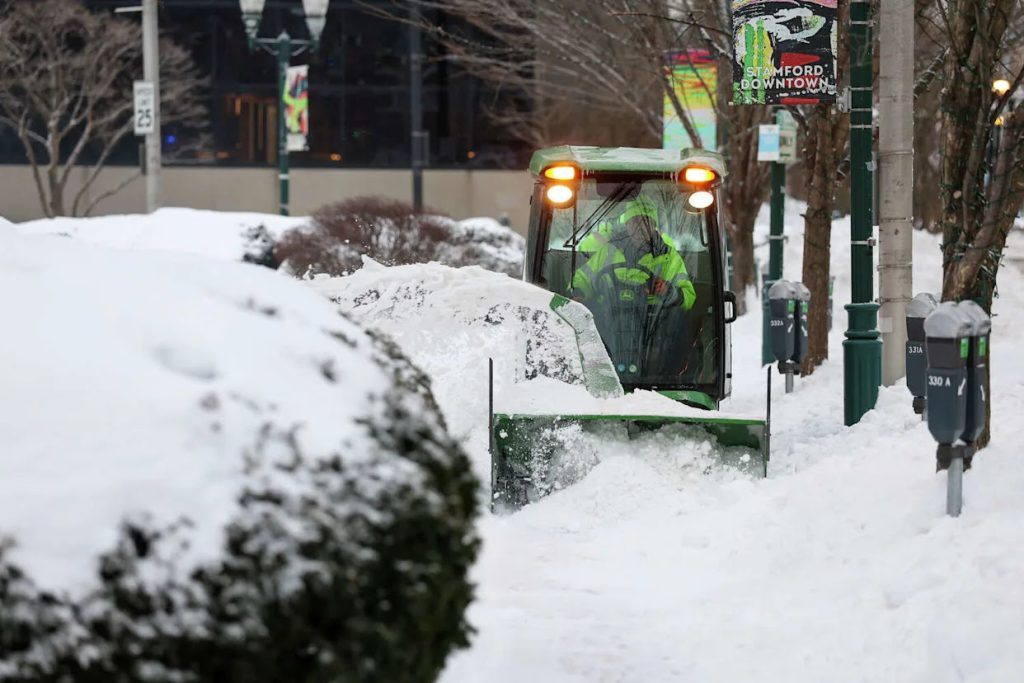
In Southern Connecticut and shoreline areas, additional factors made the damage worse:
- Repeated freeze–thaw cycles
- High coastal winds
- Saturated ground loosening fence posts
- Older wood fencing already weakened by moisture and age
The result? Fences that may still be standing—but are no longer structurally sound.
 Why Fence Damage Is a Serious Safety Issue After Winter
A damaged fence creates immediate concerns for homeowners, landlords, and commercial property managers alike.
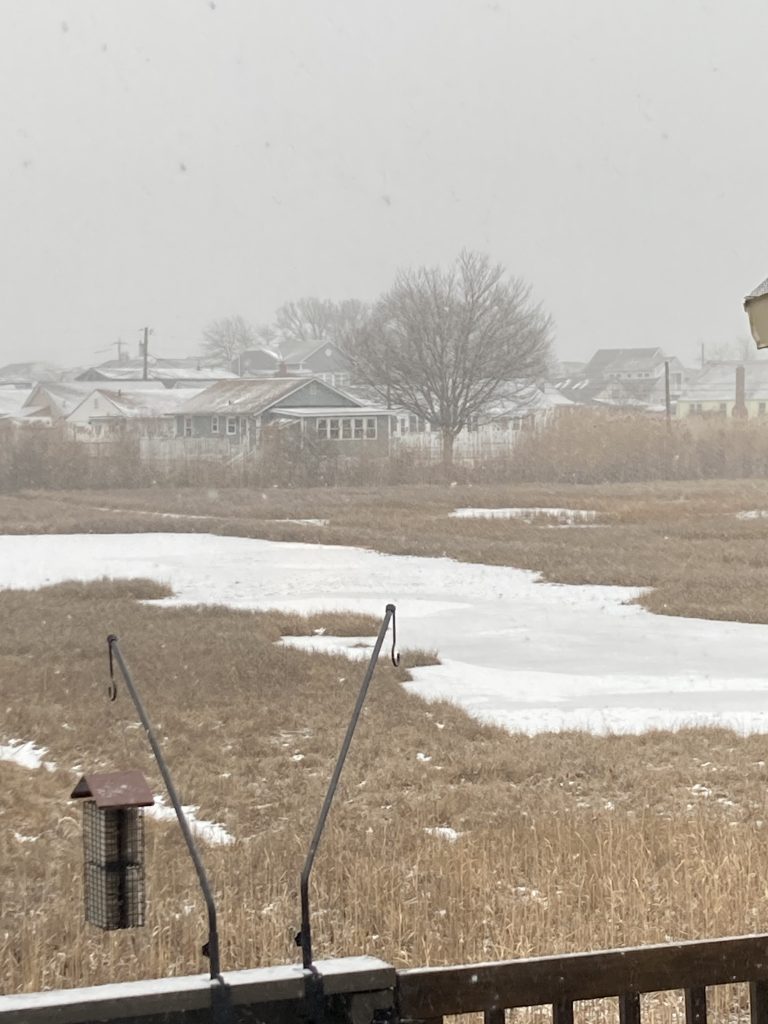
Pet Safety Risks
Small gaps or leaning sections are easy escape routes for dogs.
A fence that “looks fine” may collapse under pressure, putting pets at risk of running into traffic or neighboring properties.
Child Safety Concerns
Fencing plays a critical role in keeping children safely contained in yards—especially near roads, driveways, or waterfront areas common in shoreline communities.
Property & Security Exposure
Broken or sagging fencing signals vulnerability.
For commercial properties and multi-family housing, this can increase trespassing, liability, and insurance concerns.
 Signs Your Fence Was Compromised by Winter Storms
Even if your fence didn’t fully collapse, winter storms may have caused hidden damage. Look for:
- Fence posts leaning or pulling out of the ground
- Panels separating from rails
- Gates that no longer close or latch properly
- Wood rot exposed after snow melt
- Chain-link fencing stretched or bent by snow weight
If you notice any of these, it’s time for a professional inspection.
 How Reliable Fence Helps CT Property Owners Recover Quickly
Reliable Fence has been serving Connecticut property owners for decades. After winter storms, their team focuses on fast, effective, and honest solutions—whether that means targeted repairs or full fence replacement.
What sets Reliable Fence apart:
- Local crews familiar with CT weather and soil conditions
- Rapid response after storm damage
- Honest recommendations—repair when possible, replace when necessary
- Residential & commercial expertise
- Quality materials built to withstand future winters
From vinyl and wood to chain-link and aluminum fencing, Reliable Fence restores safety without unnecessary delays.
 Don’t Wait—Spring Thaw Can Make Damage Worse
As snow melts and spring rains arrive, weakened fence posts can shift further, causing additional collapse and higher repair costs.
The safest move is early action.
 Schedule a post-winter fence inspection
Protect pets, children, and property boundaries
Restore security and curb appeal before spring
Contact Reliable Fence today to get your property back to safe, secure condition.
 BLOG FAQ – Winter Fence Damage in Connecticut
How much snow does it take to damage a fence?
Heavy, wet snow—especially when combined with wind and ice—is far more damaging than light snowfall. January’s storms were particularly harsh on older fencing.
Can fence damage be repaired, or does it require replacement?
Many fences can be repaired if damage is caught early. Reliable Fence evaluates structural integrity before recommending replacement.
Is fence damage a liability issue?
Yes. Damaged fencing can increase liability for property owners, especially if pets escape or unauthorized access occurs.
How soon should I repair storm-damaged fencing?
As soon as possible. Delays allow further movement during freeze-thaw cycles and spring rain.